San Francisco has never approached residential development as a matter of aesthetics alone. Creativity, innovation, and a deep connection to the natural environment have long shaped how the city grows and how new neighborhoods are conceived. The result is a development culture that values livability over spectacle, and longevity over trend.
This perspective has been reinforced for more than a century by civic institutions like SPUR. Founded in 1910, SPUR has consistently advocated for thoughtful urban planning that prioritizes human experience, environmental responsibility, and long-term civic value. That belief continues to influence how residential communities take shape today, even as the city looks forward.
A City Defined by Place
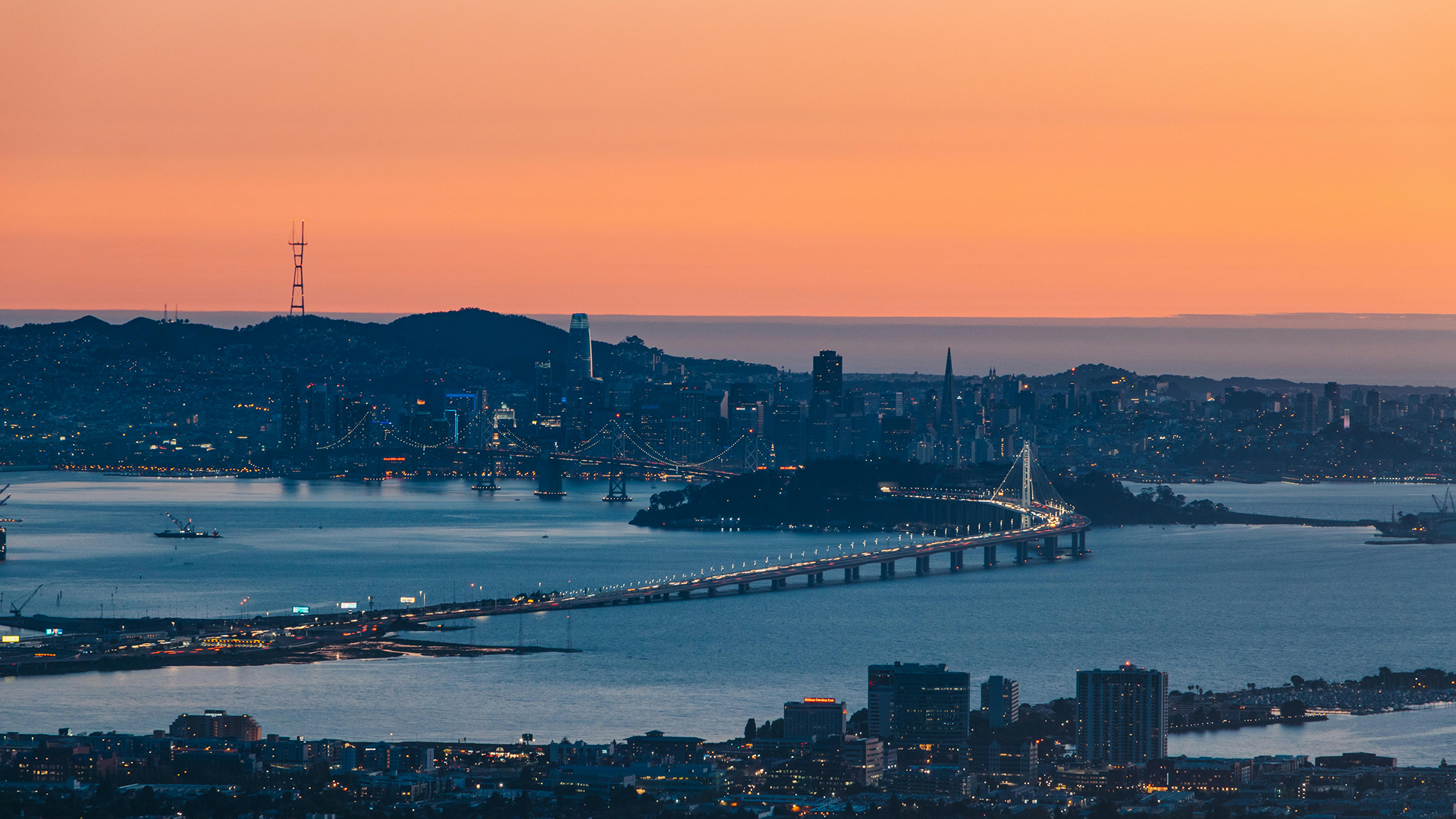
What distinguishes San Francisco is the close relationship between development and landscape. The Bay, the hills, and the shifting light are not backdrops but guiding forces, shaping how neighborhoods are planned and how buildings engage with their surroundings.
This approach has surfaced repeatedly across the city. Mission Bay, once rail yards and industrial land, evolved through a long-term master-planned framework that prioritized infrastructure, open space, and walkability before density. Residential development unfolded over decades, allowing the neighborhood to mature organically rather than arrive fully formed.
Elsewhere, the residential communities within the Presidio of San Francisco demonstrate a quieter expression of the same mindset. Here, development is defined by restraint, environmental stewardship, and an insistence that housing integrate seamlessly into an existing landscape of open land, trails, and historic fabric.
In each case, the goal was not visual impact alone, but neighborhoods that support daily life and remain relevant over time.
A New Chapter on the Bay
This philosophy is now finding renewed expression on Treasure Island and Yerba Buena Island, where a new generation of residential development is unfolding directly within the Bay. Unlike traditional new development sites, these islands present a rare opportunity to shape an entire neighborhood from the ground up.
Here, planning responds first to land and water. Buildings are positioned to preserve views and natural contours. Materials reflect the surrounding landscape. Open space is treated as foundational rather than supplementary, with trails, parks, and shared areas integrated into everyday life.
As with Mission Bay and the Presidio, community is not an afterthought. Movement, interaction, wellness, and access to nature are embedded into the development framework, creating residential environments that feel both connected and restorative.
These island communities are not departures from San Francisco’s development legacy. They are extensions of it. Like earlier place-driven neighborhoods, they reflect moments when the city has had the opportunity to think holistically about land, infrastructure, housing, and community at scale.
They offer a contemporary model for residential development that balances privacy with openness, calm with proximity, and long-term value with a deep respect for the landscape.
At Knightsbridge Park, we see these communities as signals of where San Francisco residential development is headed. Toward environments shaped by place, guided by long-term thinking, and designed to support daily life as much as future value. Because in San Francisco, the most successful neighborhoods are never just built. They are thoughtfully grown.